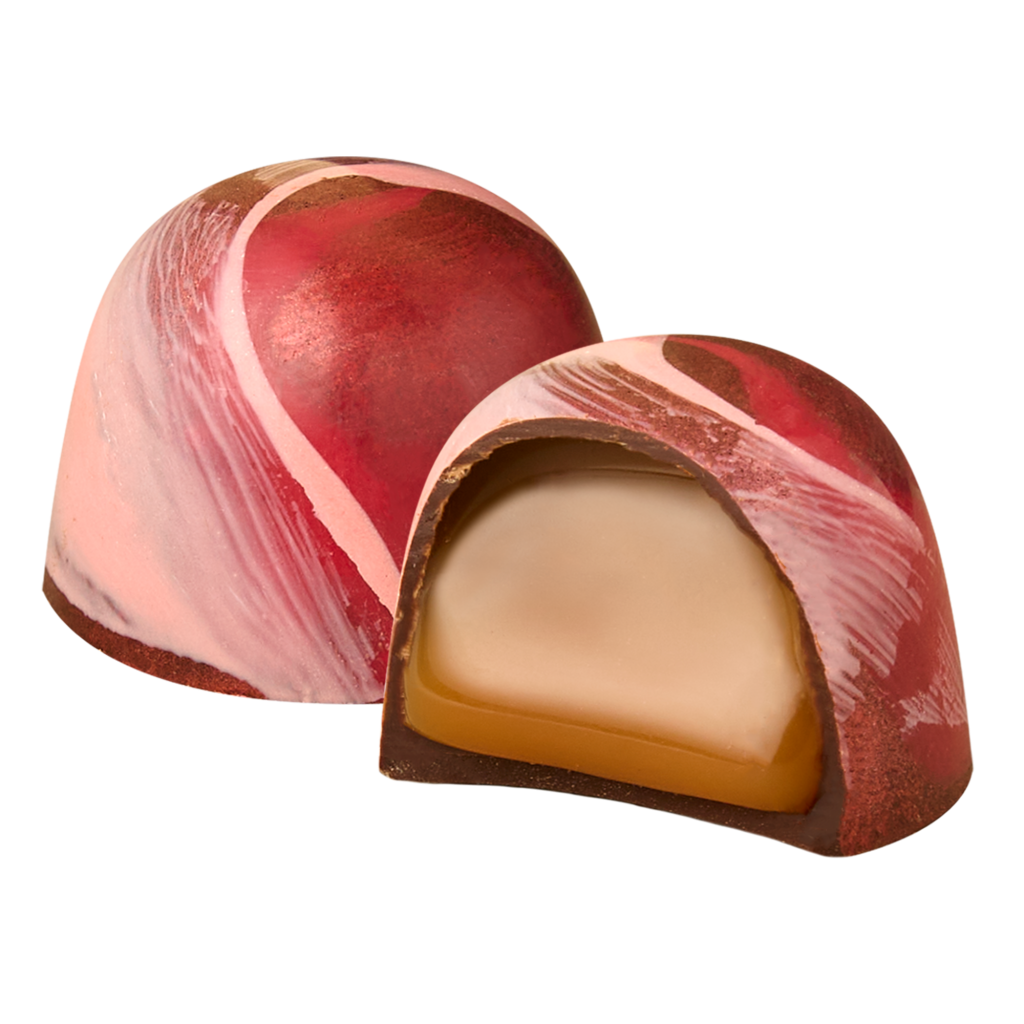
Not all chocolate is created equal.
And when it comes to bonbons, the difference between mass-produced and handmade is obvious — once you know what to look for.
It starts with the chocolate itself
Handmade bonbons rely on high-quality couverture chocolate, chosen for its flavour, texture, and how it melts.
This isn’t about being fancy. It’s about using chocolate that behaves properly — snaps cleanly, melts smoothly, and carries flavour without needing excess sugar.
You can taste the difference immediately.
Craft matters more than speed
Handmade bonbons take time.
Each shell is formed, filled, sealed, and finished by hand. That process allows for better texture, better balance, and better consistency across each piece.
Mass-produced chocolate aims for efficiency. Handmade chocolate prioritises experience.
Decoration is part of the story
Bonbons aren’t decorated just to look good — though they do.
The finish tells you something before you taste anything: someone cared about how this was made. Someone paid attention.
That matters when chocolate is being gifted. Presentation sets expectations, and handmade bonbons meet them.
Ethics aren’t optional
Where chocolate comes from matters.
Jala Jala uses premium chocolate sourced through programs that prioritise sustainability, fair wages, and ethical farming practices. That means the indulgence doesn’t come with an uncomfortable afterthought.
Good chocolate should feel good to give.
Choosing the right box
If you’re buying for someone else and don’t know their preferences, a classic assortment is always safe. It offers balance and broad appeal.
If the person enjoys trying new flavours or appreciates detail, a signature selection lets them explore something more distinctive.
Either way, handmade bonbons turn chocolate into a moment — not just a snack.